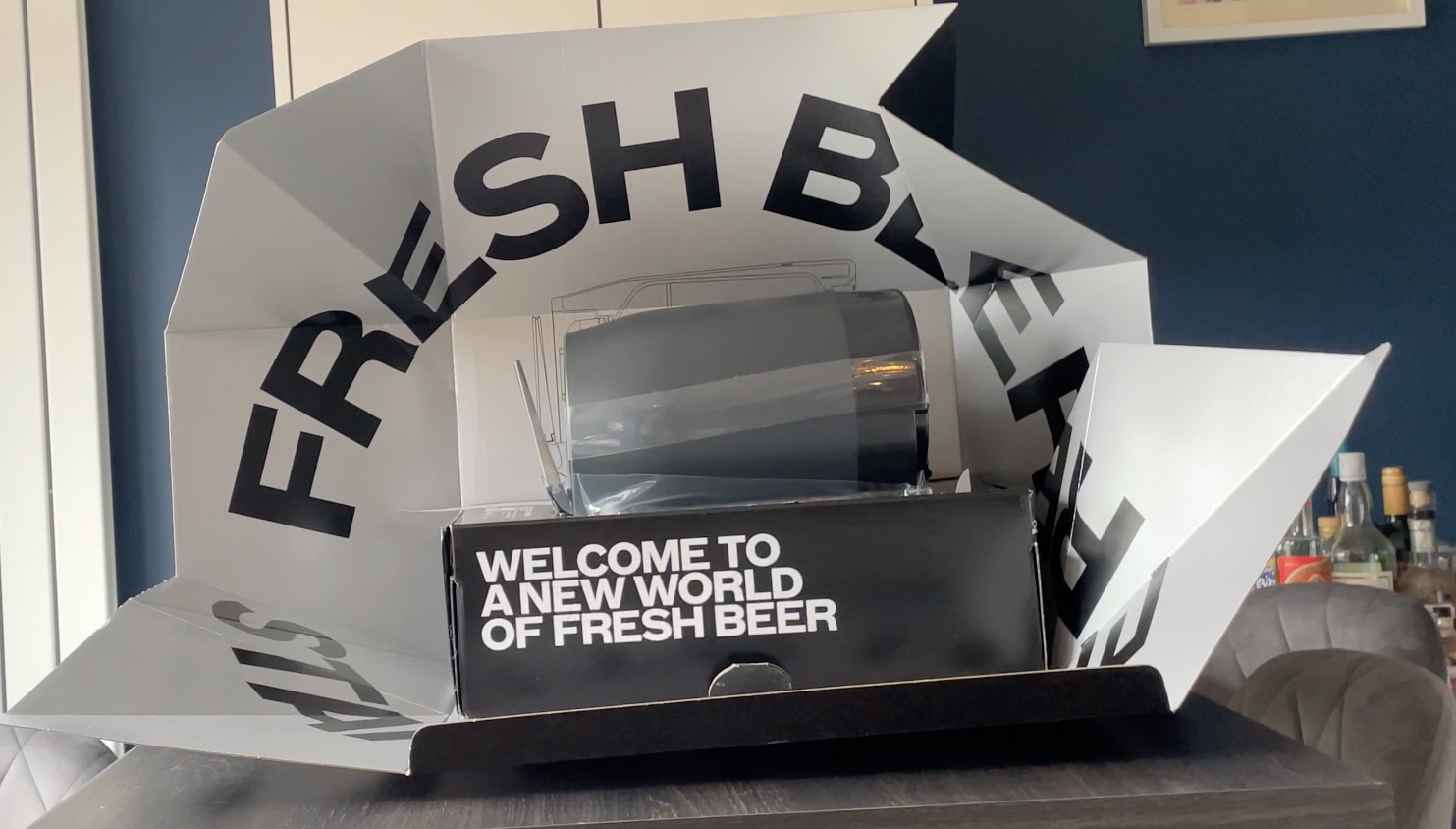
Verdict & Summary
This 5-month review of the Pinter 2 reveals a solid system for brewing fresh beer at home, though it has faced significant stability and communication issues since launch.
The product successfully costs under £1 per pint on average but requires users to navigate manufacturing defects and carbonation inconsistencies. While I’ve enjoyed genuinely good results—brewing four distinct beers recently—the new Pinter 2.1 replacement core does operate at lower pressure, affecting the pour experience compared to original devices.
The company has been reactive in fixing issues like exploding units but now faces criticism for low-pressure taps that lack sufficient carbonation headroom without froth. Despite these hurdles, I believe their approach is promising if they can improve communication and transparency regarding how brewing settings impact your final pour quality.
What Is the Pinter 2?
The device known affectionately as the Pinter 2 (or later renamed Pinter 2.1 following recalls) functions by using specific brew packs from manufacturer to create fresh beer at home.
Your kit consists of a main body and a brewing dock. By adding water, yeast, syrup, and occasionally hops into your pack, you connect it to the system for the recommended duration.
Once removed from the dock, you let the brew condition in the fridge before tapping off fresh beer or cider using the integrated tap mechanism.
The ‘Exploding’ Pinter 2 Issues
Only weeks after our original review publication began reports that some units were blowing their tops due to excessive pressure buildup during brewing cycles.
Pinter responded by advising users to brew at zero carbonation levels while they investigated, providing safety warnings until an update was released. During this period flat beer became the standard requirement for all owners.
Brewing on a single 0 setting inevitably means serving non-carbonated liquid unless risked brewing higher pressures. Personally I took the calculated risk and brewed using setting 1 rather than strictly adhering to zero, which luckily left me without any structural failures during that specific period.
After two weeks, investigations concluded these pressure incidents resulted from how the plastic inner-shell was attached in manufacturing processes on just 0.4% of all devices shipped at initial production run levels before recall notice sent out for safety check procedures involving every affected unit owner globally within this product range.
The fix involved inviting owners to complete an online form and schedule returns ranging between one-to-two-month intervals initially given as standard protocol during mass campaign times back then in late summer months.
Originally plans were simply going to be repairs, but the recall shifted towards replacements asking users retain their existing taps docks hopper caps just returning core units only without needing new peripherals purchased again for this specific fix model transition plan implementation phase currently ongoing across UK sales regions.
The Pinter 2.1 Replacement Experience
When owners received replacement cores, feedback indicated pressure levels had reduced significantly below original performance expectations after update installation completed successfully within expected timeframe limits set out during safety recall campaign period announced initially earlier this year back around September dates relevant to reporting context here now.
This change forced Pinter into releasing updated brewing tables adjusting carbonation dials upward—previously setting 2 often replaced by new requirement for setting 4 on same specific beer varieties tested over multiple batches recently acquired through replacement order process completed last week specifically during my evaluation window period.
Community members found even higher dial settings failed to achieve expected fizziness or pour consistency, yielding only a couple of pints out before tap output slowed due to insufficient pressure overcoming the new internal restrictions introduced with this updated firmware revision level designated as Pinter 2.1 core module replacement unit specifically designed for safer operation post-recall event resolution.
Tap Mechanism & Pressure Reality
I brewed four beers since switching to my replacement unit—specifically a cider, Stars and Stripes, Tropical Debate variety from the lineup of seasonal releases available currently at time being discussed right now during this review period plus Livin’ La Vida Coca blend which has been popular in recent weeks leading up to our current analysis date today specifically here on blog post publication moment relevant for reader reference purposes.
I encountered only one minor issue that wasn’t actually a product fault but rather catching the internal coil when reassembling after cleaning cycle completed successfully earlier this week during normal maintenance routine performed by myself personally under standard care instructions provided alongside user guide documents available online support portal website managed directly through manufacturer account management dashboard system accessible at any given time.
The Pinter tap reassembly requires significant attention to detail and often feels like a faff if you are not familiar with internal coil alignment procedures which need careful manual placement back into place before final tightening stage complete on all screw fasteners securing mechanism housing structure integrity maintained throughout lifecycle of device usage over multiple brew cycles typically spanning several months.
Pressure & Froth Levels
What I found is that pressure in Pinter 2.1 feels less intense and generally forces users to wait until about five pints are poured before reaching the ninety degree pour position angle where liquid flows freely rather than stopping halfway or leaking prematurely under high head.
In previous core model experience with original version this would happen around seven or eight glasses depending on beer type used but here froth levels decrease due to lower pressure limiting total volume available per session so you get less wasted foam at top glass when pouring from height angle of ninety degrees downwards into serving vessel container below tap outlet.
Company Communication & Transparency
Pinter has acknowledged low-pressure complaints through public AMA sessions with their CEO who admitted updated core model was causing issues requiring engineering intervention to resolve before new design iteration completed successfully over recent month since that specific meeting took place during online event schedule earlier this summer season back when updates were released.
The current tap is comprised of a coiled straw mechanism intended for high-pressure carbonated beer passage through coils until pressure drops sufficiently so fresh liquid reaches glass without excessive foam build up before reaching mouth level but lower output from updated model means less than enough power to make full pass within acceptable volume limits set by original engineering specifications.
Reactive vs Responsive Communication
The core problem with Pinter lies in their communication style rather than product quality itself which has still produced good beer results personally experienced during this review duration so far despite challenges mentioned above regarding pressure consistency and tap mechanics issues discussed throughout analysis period specifically here on blog platform today.
Some theories suggest reactive companies fight fires while responsive ones think through moves strategically to learn from mistakes. Pinter has unfortunately operated in reactive mode recently responding quickly but sometimes too hastily or without fully testing fixes meant for broader market deployment phase currently under review across distribution channels worldwide including UK retail partners specifically mentioned earlier during initial discussion on this topic.
Tap Advice Issues
In past correspondence, they sent emails telling users to open carbonation dial before pouring despite own advice suggesting keeping sealed state longer. This goes against promise that beer can stay fresh up to thirty days after conditioning process complete in refrigerator unit located nearby tap assembly housing location specifically designed for storage maintenance purposes during long term shelf life expectation timeframe typically cited on packaging materials.
Is the Pinter 2.1 Any Good?
I’ve brewed four beers since having my new replacement core and two more previously using older model to compare differences observed in consistency of output quality throughout brewing session duration which has varied from batch to batch based on user settings chosen for specific style goals like cider versus lager profile preferences.
