Tado vs Hive – Which is better?
In our experience using the Tado and Hive systems here at Mark’s Tech Blogs HQ, we have found that while functionality remains comparable across smartphone apps and ecosystem support for voice assistants like Alexa or Google Assistant, the overall edge leans towards the Tado. This preference stems primarily from its minimalist design aesthetic which embraces modern decor rather than looking dated compared to competitors, ease of self-installation supported by guidance tools in an app interface, and better room control accessories that actually seem to work well for saving energy on heating bills. However, Hive still holds value if you prefer a smart home experience that integrates lighting bulbs and sensors more holistically into one central app without requiring a recurring subscription fee like Auto Assist is required for Tado’s premium geofencing features which offer automatic off when people leave.
What Does a Smart Thermostat Do?
Before we dive into the ins and outs of smart thermostats let’s talk about what one actually does. Most readers will be familiar with thermostat controls that have existed for decades. Traditionally these are either a temperature dial which turns on your heating when the temperature falls below the setting you’ve chosen or a programmable device that lets you choose exactly when your heating and hot water comes on. Traditional thermostats work but can easily be left on unnecessarily when you’re not at home, often their interfaces being difficult to get your head around without technical expertise. A smart thermostat takes these concepts of heating your home to a certain temperature and places the controls for this device entirely in place so they are on your phone, allowing you to adjust your heating controls in a much more precise way than before while also having ability to switch it off when out of the house.
Both the Hive and the Tado smart thermostats offer this app-based experience but with slightly different approaches regarding user flow. When navigating through these platforms, usability is often one of the key things that make or break a piece of equipment in any home environment which thankfully both options deliver excellently on.
Tado vs Hive – Design
The design of the Tado and Hive devices is probably the biggest separator between them as you hold them. Whilst both have rounded edges and aim to look modern they approach it differently in their execution style. The Tado takes a minimalist approach with a fully white design and a simple white LED display whereas the Hive looks more like a traditional thermostat that might sit on an older wall unit from years past.
In our opinion the Tado has the edge when it comes to the design because it embraces modern decor rather than trying too hard while maintaining simplicity. The Hive design is certainly beginning to look a little dated as manufacturers move away from plastic housings, so if aesthetics are part of your smart home plan you should weigh that heavily.
Cost & Installation
The cost of the two devices is relatively similar although not as simple as just comparing costs. The Hive comes with everything you need but for a price point starting at £175 it does recommend professional installation which will add upwards of £100 to the total expenditure depending on your location and plumber availability.
The Tado on the other hand has a few different options depending on your heating system and existing thermostat. This means that when you shop around, the cost of the Tado package will vary between approximately £130 and roughly £180 based on what version is required for your boiler brand.
Tado have created a helpful tool online to help work out which specific kit you need before purchase so confusion is reduced. When it comes to installation costs, both manufacturers believe that homeowners should be able to install the device themselves without paying labor fees if they want them in hand on their own property walls and floors.
We self-installed our Tado unit ourselves at home without hiring help which took about an hour and a half. The process was a little fiddly at times regarding wiring connections or mounting but Tado’s instructions were easy to follow and well explained with clear diagrams that helped avoid frustration for the installer.
This certainly gives the Tado the edge over Hive when it comes to installation cost efficiency because making it more affordable also empowers the user to install them themselves if they wish. For someone comfortable with a screwdriver, you save money compared to paying £100+ in professional labor fees immediately upon setup.
Tado vs Hive – The Smartphone Apps
The usability of the app is often one of the key things that make or break a piece of smart home tech and luckily both systems perform well. The Hive app is focused around your entire smart home ecosystem as they offer whole range of products including light bulbs, plugs, sensors whereas the Tado app focuses purely on heating control (and cooling if you have their specific smart air conditioning controls too).
Both apps allow you to set schedules for when your heating or hot water is active during different times of day. They also allow you to boost temperatures temporarily if you want it warmer than usual and let you turn off your heating and/or hot water remotely from anywhere in the world.
When coming back home, out-of-home control is great for turning your heating off when you forget because otherwise bills climb quickly or even boosting it on a cold day during your walk so that house warms up before arrival. I’ve noticed both systems handle this geofencing logic well enough without needing external sensors.
We have found in this comparison of Hive versus Tado, the apps are pretty much equal when looking at functionality depth because you cannot easily choose which is best between these two sides currently as they match each other too closely on most daily tasks. The app features such as remote monitoring and scheduling work consistently regardless whether it’s an early morning commute or late night adjustment.
There should also be mention that Tado offers something called ‘Auto Assist’ which is a subscription costing £25 per year for ongoing support services if you choose to buy into their annual plan. This gives automatic geofencing meaning your heating is automatically off when the last person leaves, and it keeps track of system health by alerting users if components fail.
These features are nice ideas in theory but I’m not sure they’re worth an extra £25 a year without first testing them out because basic app functions often cover these needs already. If you do pay for this add-on, it provides more peace of mind than the standard free version which lacks those deeper health checks over time.
External Services
We should also mention that both thermostats are compatible with Apple HomeKit and they work well alongside Alexa or Google Assistant commands via voice control. Since integration is often a priority for many smart home users, having seamless connectivity ensures you can set routines without needing extra bridges.
Both do this very well so again it’s essentially a draw when comparing how easily these systems connect to your daily life ecosystem at large scale without technical troubleshooting required later on down the road after purchase date arrives or update happens through firmware releases over months of ownership.
Daily Use?
Finally, we should talk about daily use for both Tado and Hive where extended periods of time show how they behave. In my opinion from having used both systems in different rooms I have to say that they work just as well as each other regarding core heating schedules.
Your hot water is ready when you need it based on programmed settings and connection remains good for remote app control across various mobile carriers or networks around the world today. Both offer notifications which inform You’ve left home alerts working very well so you do not leave heat wasting energy away from property boundaries while inside.
Being able to boost heating, turn off temperature adjustments via phone and monitor current room temp remotely is incredibly useful feature set included with both options that make them equally great choices for the vast majority of users looking at either system today.
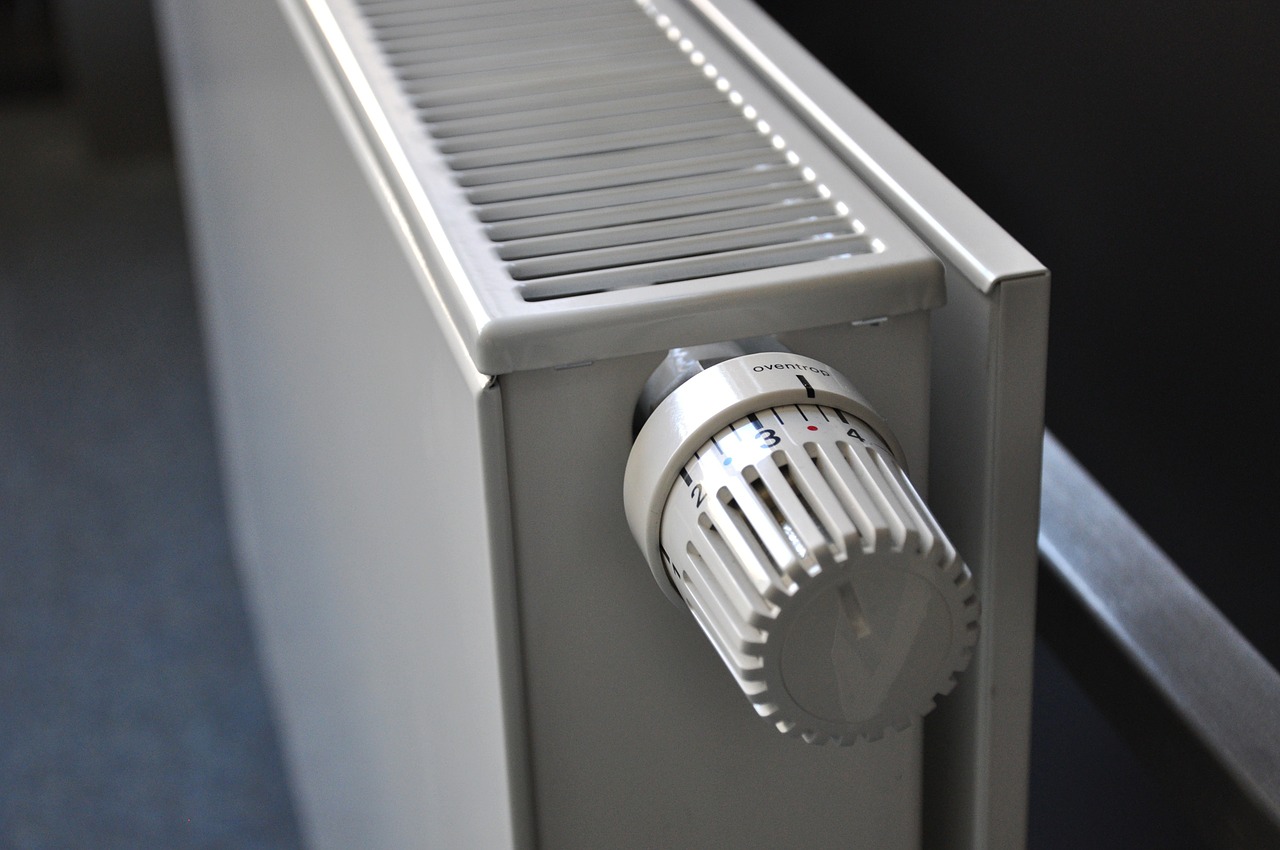
Tado does have optional extras available including smart thermostatic radiator valves for individual room based control however, Tado’s own proprietary TRVs are often noted as being ones which actually seem to work well without manual adjustments required constantly.
Hive also offers these valves but users frequently report issues with responsiveness or calibration that makes them less reliable over time compared the alternatives provided by their direct competitor. This means for room-based heating and opportunity to save more money on utility bills when not heating unused spaces, Tado has an edge because of its accessories which are integrated seamlessly.
Tado vs Hive – Which should you buy?
If you’ve worked through this article then you’ll know that overall the Tado has the edge over the Hive however mostly due to installation costs saving money on professional labor, superior design aesthetic choice and optional extras like TRVs for rooms.
When it comes purely to app quality and core functionality they are pretty much equal so both excellent smart heating systems regardless of brand preference you might have already established elsewhere within your home network or phone device settings menu preferences. You can pick up one from online retailers such as Amazon, Currys PC World, Screwfix where availability is standard.
We encourage reading more reviews before purchasing if you would like detailed comparisons on heating efficiency scores that may vary based on specific model version selected for your property type or boiler brand compatibility requirements in store listings. For most people looking to upgrade from a traditional dial thermostat, either will serve well though Tado feels slightly ahead of the curve currently.
