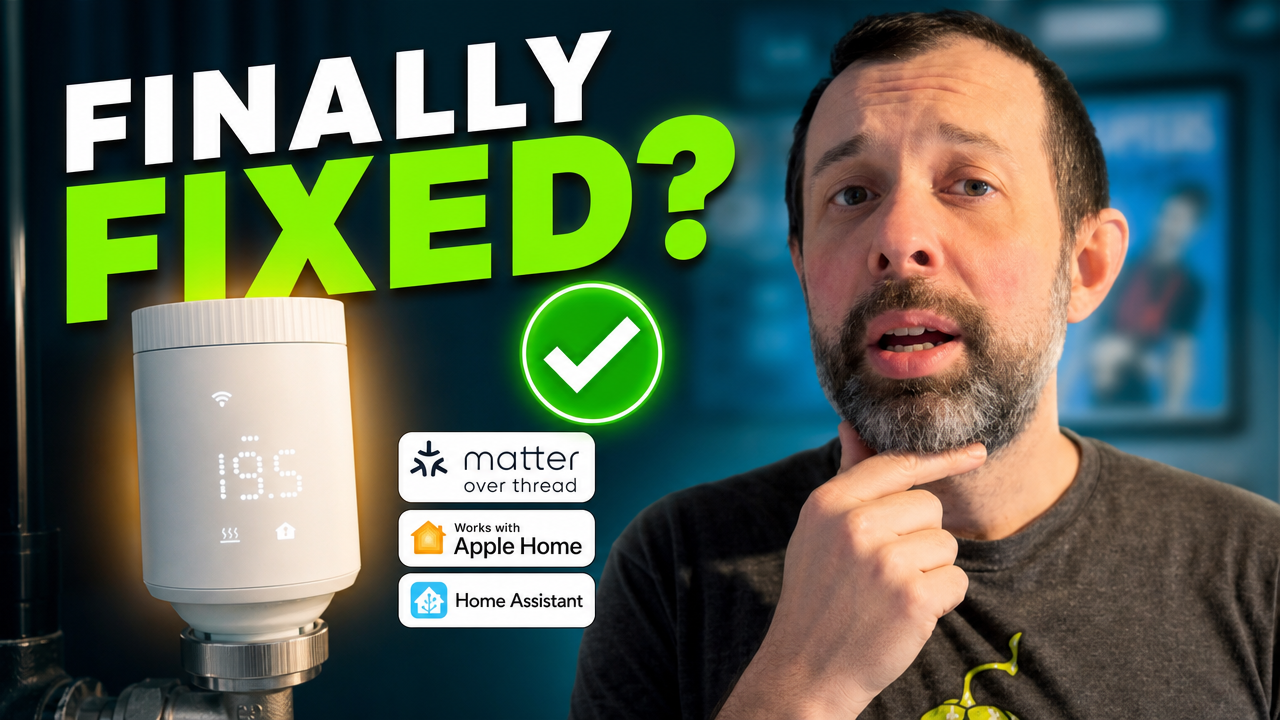
Habi Smart Home — Updated Review
In December, my review of the Habi Smart Home Heating solution identified significant connectivity issues that necessitated a return within the 30-day window after experiencing unreliable heating performance during November. After returning it due to these problems and subsequently switching to alternative Aqara devices for reliable operation over several weeks, I have been using an updated configuration with the original Habi system solid now since March to provide this comprehensive update on its current status.
The Initial Experience and Connectivity Struggles
I picked up the Habi Smart Home solution myself back towards the end of October and immediately proceeded into setting it up. I wired in the boiler control, paired the wireless thermostat, added three radiator valves, and set up a series of complicated Apple Home Automations with Siri Shortcuts for geofencing as part of my heating schedule.
I then switched to using Aqara devices because that setup worked pretty reliably and well at that time. However, within a couple of weeks after the initial Habi deployment, devices started losing connection to the boiler, which was frustrating in November when you want reliable heating for cold nights. I contacted Habi customer support directly, and we tried various troubleshooting steps together, but ultimately returned it because I needed heating that worked consistently without manual intervention.
Habi’s Response and Follow-up Testing
In the meantime, while waiting on other options or during my testing phase, Habi got one of their engineers to email me personally. He actually works for their parent company Salus, who are really well established in the heating space.
I explained that I had returned the equipment and offered to come and set up everything as it was configured before so they could monitor and debug remotely.
As a developer myself, I know how frustrating it is when you can’t replicate an issue consistently. I also knew from other reviews online at that point that others had reported signal issues too.
I agreed to let them come over under the condition that they didn’t wire everything back into my boiler initially because I needed my heating system operational immediately for daily use. Rob came along, hooked up a plug to the wireless receiver and attached some valves to the radiator thermostats so we could put everything back in exactly the same places as before.
The team told me they had updated the firmware between visits or during that period of testing. Over the next few weeks following this intervention, I continued to monitor it all carefully via both the Habi app and Apple Home applications directly on my phone screen. The updates held up well enough through winter conditions, so nothing disconnected again.
By the start of March, after validating reliability with firmware stability verified by their support team, I wired everything back up permanently to my boiler. Then we set up some schedules using Home Assistant for geofencing integration, letting it run heating without issues since that date and onwards through warmer weather periods following initial validation.
About Habi Hardware Specifications
This is a Matter over Thread compatible smart heating solution currently available on the market. The base pack containing the boiler control has physical controls for operation in addition to the network features, creating the thread backbone itself so it does not require Wi-Fi dependency.
The device can work with condensing boilers and those which utilize separate hot water controls as standard units usually found in UK homes or European installations. Those physical buttons provide you easy ways to turn heating on or off if smart control functions fail completely due to network outages, ensuring safety during power issues. The base pack also comes with the wireless thermostat included within it.
I do like that design aspect especially considering the white finish and large twist knob for adjustments directly on device rather than tapping a touchscreen screen all day long which can get frustrating in cold rooms when wearing gloves or handling dirty hands after cooking dinner.
This pack will cost you around £70, making it pretty affordable compared to many other brands that charge extra monthly fees later on without warning users first before billing them. That physical hardware approach also ensures no hidden subscriptions ever kick back your bill unexpectedly even if app service ends temporarily for any reason outside my control.
Compatibility and Features
Matter compatibility means it works with SmartThings, Apple Home, Google Home, Alexa, and the open standard ecosystem of Home Assistant seamlessly together without needing proprietary bridge hardware usually sold separately elsewhere in stores online globally today. The radiator valves are also Matter over Thread compatible.
I have paired them well first to Habi Hub then secondary matter controllers like Apple Home so they can call for heat accurately from those thermostats instead of just relying on room thermocouples which might lag behind reality.
This allows those TRVs (Thermostatic Radiator Valves) to request specific heating loads based on schedule needs, not ambient temperature drift alone. The Habi app as a whole is something I dive into more during my original review documentation before returning item for fixes but if you don’t mind about having geofencing constraints initially then schedules and boost functions are set up easily within the application settings menu without advanced coding knowledge required to operate basic features effectively enough.
If deep diving specifically into specs or looking at compatibility charts with legacy devices, I have put my original review notes elsewhere in detail regarding specific protocol handshakes used by older valves that do not support standard Matter standards yet but still connect via bridge functionality within supported firmware releases prior to the latest 2024 iteration updates provided directly from manufacturer website downloads.
Temperature Accuracy Issues
Whilst those TRVs definitely let you adjust temperature offset settings in advanced configurations, I find that their raw reported temperature is not very accurate when radiator heat cycles are running on continuously without breaks during colder spells like early mornings or late nights which affects perceived comfort significantly.
This issue is pretty common for TRV technology across brands but these units seem worse than others tested by independent reviewers previously. This accuracy variance suggests I probably wouldn’t recommend just using them alone with the Habi app if accurate floor temperatures are your primary goal metric rather than general heating control availability which works fine most days.
My setup is bit more complicated though, so if you’re willing to have a similar set up like mine then it does work well and accurately over extended periods of time. Basically, I’m using Home Assistant integration specifically called Better Thermostat that allows me selecting different temperature source from the TRV readout itself.
This bypasses poor sensors by integrating room-level data elsewhere while doing all complicated temperature offsetting required to ensure valve still acts correctly even if internal readings drift slightly over time. Should you want a simpler out-of-box solution without advanced configuration requirements or integration knowledge, I’d go with the Tado X range instead of starting fresh on this platform.
Should You Buy Habi?
As it stands currently in market conditions and testing results gathered so far during late 2023 into early 2024 period following firmware updates, is one most affordable Matter over Thread heating solutions out there available now without requiring subscriptions that drain monthly budget unnecessarily.
Not everyone should buy this though if they have specific needs different from my setup which relies heavily on Home Assistant ecosystem integration rather than just simple app buttons. If you just need the wireless thermostat and main boiler control for home basic usage, then it’s great – a bit of fiddling in Apple Home can achieve geofencing so your heating turns off when away.
If you don’t care about that specific feature where system knows if I’m at house or not outside local IP address changes from ISP router configuration logic, the Habi app is great for basic scheduling without third party integrations. However, smart TRVs might be limited unless utilizing advanced setup methods because on-board temperature sensors are too sensitive to minor drafts affecting readings during high ambient pressure drops typical in UK winter conditions.
Pairing can also take some time and does timeout occasionally with the initial connection sequence if network load is heavy from other devices like video calls happening simultaneously. Out of three units I’ve got, two were fine initially upon installation without needing reset multiple times by user intervention manually restarting hardware unit itself to fix communication loss.
If you want a simpler solution ready immediately after unboxing then Tado X range might be better choice as it’s also robust with Matter support but requires specific integration considerations for existing infrastructure upgrades currently planned or executed within renovation timelines typically undertaken during summer months before heating season starts again next year usually around late September depending on region specifics regarding weather forecasts.
I will continue to monitor my setup over the long term and provide updates as necessary when firmware receives new revisions that may address pairing timeouts further down line after launch date. I’ll link products available at current store prices in standard online listings below for comparison before purchase decision made by any consumer considering options currently listed on retailer websites within their preferred region.
Conclusion
Overall, Habi is an affordable Matter over Thread heating solution that works well for basic setups if you prioritize low cost and app simplicity without deep Home Assistant integration requirements. However, if your goal involves a more advanced setup or accuracy from TRV readouts during operation cycles where sensor drift becomes problematic regardless of offset correction applied in configuration screen, then it might not be best choice over higher tiered competitors offering tighter thermal isolation.
I plan to continue testing my system and provide updates on firmware stability if any future issues arise after winter cycle ends. Let me know your thoughts regarding this product line based on your own experience with smart heating systems currently deployed in similar residential properties across UK housing associations or private rentals alike so we can help each other choose right tools for home.
