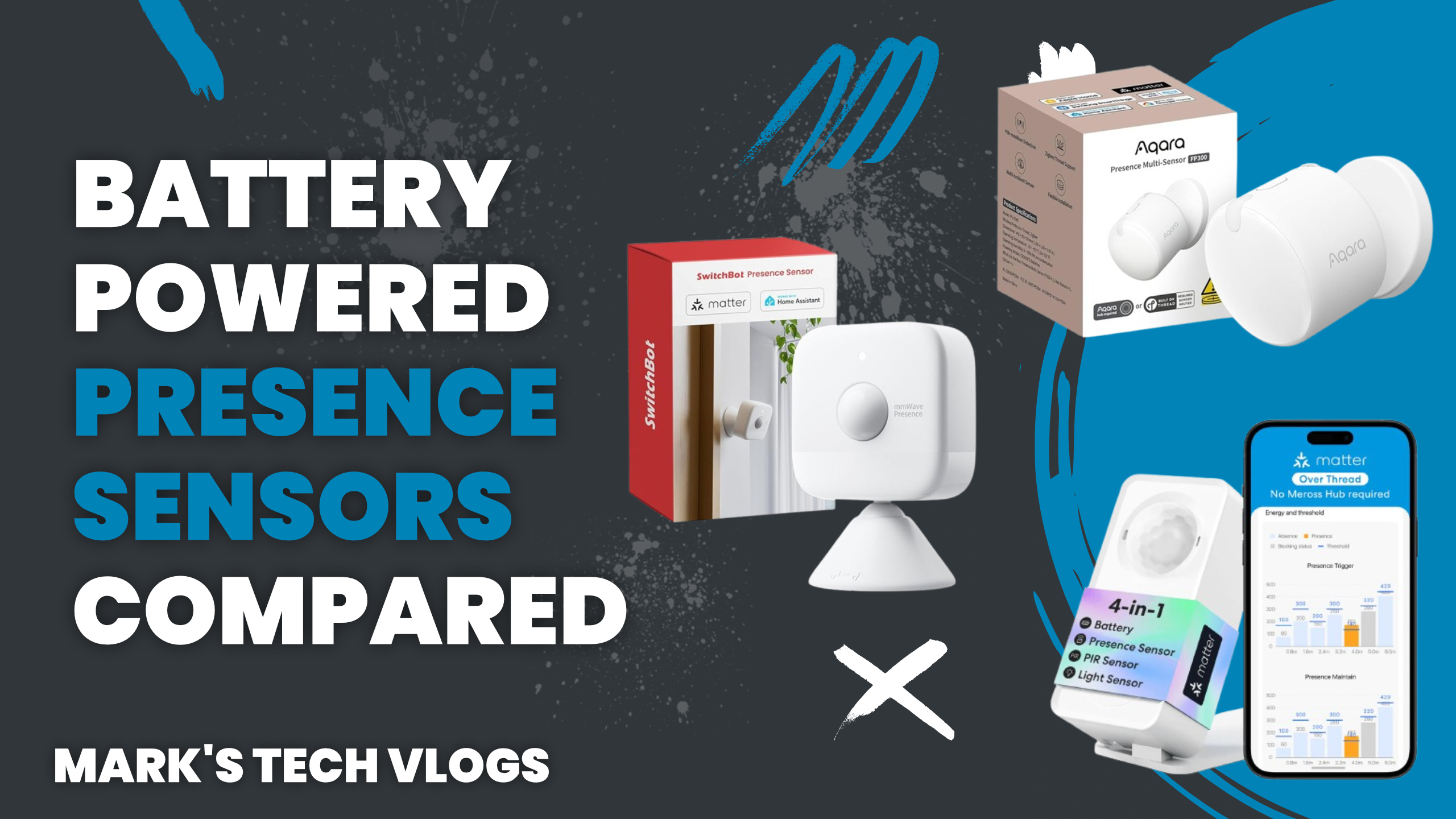
Battery Powered Presence Sensors Compared: Aqara FP300 vs Meross MS605 vs SwitchBot Presence Sensor
Quick Verdict: If you need a presence sensor for bathrooms or wet areas due to IP ratings, the Meross MS605 is currently your best choice. For users who already own an Aqara hub and want maximum local automation flexibility with temperature, humidity, and light data exposure across platforms like Home Assistant and Apple Home without hubs via Matter Thread mode, the Aqara FP300 stands out as a powerhouse option despite being slightly larger than it looks due to its dual battery usage. If you are looking for budget-friendly compatibility but have a SwitchBot hub or don’t need multi-sensor exposure in advanced local automations beyond simple presence data, the original design of the SwitchBot sensor remains solid and compact.
What Makes Presence Sensors Different
Battery powered presence sensors have been one of the most requested upgrades in smart home automation, and they are finally here. Unlike traditional motion detectors which rely solely on movement to trigger events, these new models can detect whether someone is still inside a room even when standing perfectly still. This capability makes them ideal for lighting control, heating management, and bathroom automations where you want lights or fans to stay active while you relax.
The key technology lies in the combination of PIR (Passive Infrared) sensors and mmWave radar technology used inside these units. They detect micro-movements such as breathing patterns rather than just gross movement vectors found with traditional motion sensing tech. This allows automations to stay active reliably while someone is sitting still, working at a desk, or relaxing on the sofa without turning off immediately.
Design and Installation
The Aqara FP300 Presence Sensor represents the smallest footprint in this lineup and fits discreetly into most setups. It features a fully rounded design that looks sleek against any surface finish. Attachment to walls or ceilings is straightforward thanks to magnetic metal plates rather than needing visible fixings for mounting, which simplifies positioning significantly during installation phases.
The Meross MS605 Presence Sensor closely resembles the look of Meross's earlier wired model but includes a thicker chassis specifically designed to accommodate CR123A batteries. While it is not necessarily considered the most attractive physical piece in terms of aesthetics, it blends reasonably well against standard white walls and ceilings found in typical homes.
Sensors are physically located on the front for detection purposes, with an adjustable stand positioned on the back allowing angle customization during setup. There is also a small physical button on top that can be used to reset or adjust settings manually if needed without opening the unit casing.
SwitchBot Presence Sensor Design
The SwitchBot sensor takes inspiration from its traditional motion predecessors with similar rounded edges and compact white housing design language. The stand is versatile enough to attach to either side of the chassis, making it suitable for wall mounting on ceilings or even floor standing setups depending on your specific requirements.
Price Comparison
Pricing varies significantly between these battery powered presence sensors from different brands in the current market. The Aqara FP300 Presence Sensor typically retails at approximately £50, which positions it as a mid-range option when looking strictly at hardware costs.
The SwitchBot Presence Sensor is found for approximately £30 and sits below that pricing tier relative to many European brands while still offering Matter integration once the ecosystem is in place. The Meross MS605 Presence Sensor offers significant value at an approximate price point of £26, making it accessible if you are on a tighter budget.
When platform requirements are factored into total system cost rather than sensor-only price tags, overall spend can change depending on whether your existing smart home environment requires dedicated hubs for connectivity management and local processing capabilities.
Battery Life and Power Specifications
The Meross MS605 Presence Sensor is rated technically for up to three years of battery life using a single CR123A lithium cell, which comes included in the box upon shipment. After testing one month of real-world usage patterns under normal home occupancy loads, the displayed battery level remains at 100%, suggesting excellent efficiency rates even during peak use periods.
The Aqara FP300 Presence Sensor requires two CR2450 batteries to power operation effectively within the enclosure. In Zigbee mode specifically designed for mesh networks requiring lower range transmission distances, it is rated technically for up to three years of battery life. When utilizing Thread over Matter protocol connectivity standards instead, network overhead increases slightly and reduces that rating offer around two years maximum efficiency.
In real-world use after testing during those first two months in Zigbee mode specifically designed networks without a hub bridge requirement from other vendors like Xiaomi or Aqara ecosystem partners directly connected to local mesh infrastructure via standard hubs like the M3 model, battery levels remain at 100% capacity with no noticeable degradation over short term monitoring periods.
The SwitchBot Presence Sensor uses two smaller AAA alkaline batteries for power management instead of larger lithium alternatives. It is rated technically for up to two years in total operation time when averaged across typical usage scenarios including presence detection checks and regular polling cycles from smart home apps like Alexa or Home Assistant integrations running over Matter connections.
In testing after six months of continuous active use, the battery level sits at around 80% which indicates a very healthy rate of decline compared to competitors that might drop faster under same usage load conditions with similar duty cycle configurations enabled for motion sensing features like presence detection thresholds set within default factory calibration values.
Smart Home Platforms and Connectivity
All three presence sensors support the universal Matter standard now, allowing them to work seamlessly with Apple Home app integration alongside Home Assistant, Alexa devices, Google Home services, and Samsung SmartThings ecosystems depending on your chosen platform preferences for daily management routines.
Connectivity Options by Brand
The Meross MS605 Presence Sensor uses Matter over Thread specifically designed protocol stacks. It does not require a proprietary hub if you already have an Apple HomePod mini acting as the border router function within your network setup or other Thread capable routers supporting that ecosystem standard.
Aqara Ecosystem Considerations
The Aqara FP300 Presence Sensor is flexible enough to operate in either Matter mode directly on a home LAN without external bridging devices if supported by firmware version updates from the manufacturer. If utilizing Zigbee connectivity modes for older smart hubs or gateways requiring lower power consumption networks specifically, it can still connect effectively but requires an Aqara hub device such as the M3 model to manage that specific network protocol stack efficiently.
Matter mode allows it join existing Matter-enabled networks directly without needing extra hardware from third parties like SwitchBot if you want cross-platform compatibility between all major voice assistants and smart home platforms available today through unified configuration interfaces provided by these systems operators.
SwitchBot Hub Requirements
The SwitchBot Presence Sensor supports Matter protocol over Ethernet or Wi-Fi but requires a dedicated SwitchBot Hub device which increases overall system cost if you do not already own one. This hardware requirement ensures local processing stays inside the hub rather than relying purely on cloud servers when no external internet connection is available at your location.
Built-In Sensors and Data Exposure
Sensor availability plays a big role in how flexible automations can be programmed across multiple platforms simultaneously. The Aqara FP300 Presence Sensor exposes presence, temperature, humidity, light sensors alongside standard motion detection capabilities to third-party integrators like Home Assistant.
The Meross MS605 Presence Sensor includes built-in environmental monitoring for indoor conditions by default configuration settings which include ambient lighting levels and movement zones defined per room layout specifications provided during setup process within their app interface.
Sensor data exposure varies between models as shown below:
Presence Detection Performance
All three presence sensors utilize PIR and mmWave radar technology under hood covers for weather resistance purposes where applicable. The Aqara FP300 Presence Sensor uses a high-precision 60GHz mmWave sensor chip which includes AI learning features within the dedicated companion app software provided by that brand directly.
Meross and SwitchBot do not publish detailed technical specifications regarding internal radar frequency bands or processing power levels compared to Aqara's public documentation. In daily live use conditions throughout homes tested recently, all three sensors detect presence status changes within roughly one second after movement begins regardless of occupant speed.
Reliability has been excellent across units during testing periods with no noticeable false positives from common pet sizes or other household objects moving around the room normally without human occupancy present to validate motion event triggers correctly.
Bathroom and Humidity Suitability
Environmental ratings are especially important when installing presence sensors in wet locations like bathrooms directly next to sinks, showers, or tubs. The Meross MS605 Presence Sensor is officially rated IP67 which means it can handle accidental water splashes and humidity better than many competing models.
The SwitchBot Presence Sensor carries an IP65 rating but limited strictly to non-condensing humidity environments without direct exposure to water streams or high pressure washing conditions found inside bathrooms. The Aqara FP300 Presence Sensor lacks official wet-area rating in its current datasheet documentation which limits where you can safely mount units based on manufacturer warnings.
For bathroom installations specifically requiring compliance with building codes related electrical safety ratings, the Meross MS605 is the safest and most practical choice for this location due to higher ingress protection class standards applied during manufacturing process cycles over previous generations of these sensor products currently available in marketplaces online today.
Automation and Real-World Use
Automations work best when presence detection can be combined with ambient light level checks. This avoids lights turning on automatically during bright daylight conditions if occupants are standing near windows where natural illumination already provides sufficient visibility without electric lighting support required at that moment.
The Aqara FP300 Presence Sensor excels here thanks to its multiple exposed sensors and the flexibility of configuration options provided within the companion app ecosystem directly from your phone interface after factory reset completes successfully with Wi-Fi or Thread discovery enabled by network administrator credentials passed during initial pairing session initiated via Apple Home setup tool.
Advanced conditions such as delayed presence ending timers allow lights to stay on slightly longer if you stand up slowly while reading a book at night. Extended presence detection settings prevent immediate shutdowns when walking through rooms briefly before stopping entirely in center of area for relaxation purposes without needing motion reset triggers again after short breaks taken by occupants moving within same space repeatedly.
The Meross MS605 Presence Sensor performs well but requires more complex automation logic if you define multiple presence zones inside single room spaces requiring separate definitions per region detected by radar system chips built into internal housing structure specifically designed for indoor usage only rather than outdoor patio setups lacking sufficient water ingress protection required against rain or snow exposure over time.
The SwitchBot Presence Sensor is more limited unless automations are handled directly within the ecosystem provided by that brand's proprietary cloud server infrastructure managed via their own dashboard interface rather than third-party integrators like Home Assistant which can sometimes be restricted to basic trigger events without advanced logic programming capabilities available only with open source software tools installed locally on your home servers.
Bathroom and Humidity Suitability (Meross Recommendation)
In summary for bathrooms and humid environments, the Mer
