Smart Bathroom Extractor Fan: Our Verdict
Making your bathroom extractor fan smart is something that can be achieved cheaply and easily without the need for a new fan (which is great because we just can’t find a genuine smart extractor fan out there!). In our opinion, the SONOFF Mini is undoubtedly the best solution available in this guide, though you have two distinct options to create functionality under £25 combined. We recommend starting with these solutions if you want relaxing colored lighting during a bath and are tired of toggling isolators manually every time.
The Problem with Smart Lighting and Bathrooms
You might think the bathroom is perhaps the last place you’d consider smart home technology to make functional changes, but what could be more relaxing than having nice colored light during a bath? We really love Philips Hue bulbs at Mark’s Tech Blogs here because having some ambient lighting in that room creates an ideal way for everyone inside it unwind and set their own mood. Pairing the specific Hue Coloured GU10 bulbs with some IP65 downlight fittings can be very effective, but we need to address a common setup issue found throughout most UK homes right now. The problem lies in how your fan is wired; usually the bathroom extractor has a switched power cable which means it’s triggered directly by lights coming on. This creates an undesirable dependency where with smart lighting you’re left turning your isolator off and whenever you want to run the fan, or worse, simply having a fan that runs 24/7 constantly.
Option 1 – The Switch-bot Button Pusher
The first way we’ve found involves the Switch Bot button pusher for your Smart Bathroom Extractor and is something you’ll likely need to get right before deciding on a lighting setup. We’ve already talked about this specific device before at Mark’s Tech Blogs because it operates off-switches quite well as an automation tool using IFTTT, so these rules can react nicely to events from other smart home devices without needing new wiring entirely. If you place the Switch Bot into its Switch Mode and attach it directly to your fan isolator switch inside that damp zone where people don’t want electronics playing around with complex circuits too often, you create yourself some automation rules easily.
You can set this up so the motion sensor detects movement before switching on for a certain amount of time when detected. This method works well if you prefer not to play around with more advanced electronics or wiring modifications personally, but there is one specific limitation regarding installation difficulty depending on your switch type specifically found in older UK builds.
The only issue we encountered was that some fan isolator switches were simply too stiff for the Switch Bot to push them effectively. If you have particularly tight switches at hand like this method might not work without more forceful interaction, so be sure to check yours first before purchasing as it is great for those who don’t want to mess with internals deeply.
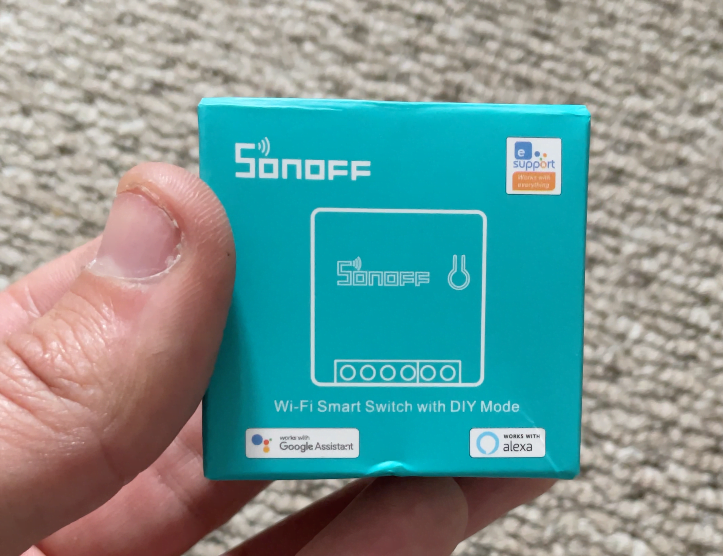
Option 2 – The SONOFF Mini
The second option to create a smart bathroom extractor fan involves a little bit of simple wiring and the use of the SONOFF Mini which costs just over £10 on average right now. It can pretty much make any item you like smart by letting users reroute your live and neutral cables specifically through this compact device before installation begins. This approach is perfect for those bathroom extractors that happen to be wired in loft space instead, as it keeps the SONOFF Mini away from direct damp conditions inside a room.
You just need to make sure you switch off mains power at the fuse box completely before fitting one of these directly near plumbing or moisture sources. Once everything is fully wired up and installed securely in your chosen spot, use the app provided to connect your SONOFF Mini directly into your Wifi network settings easily from a phone.
If You Want To Go Further
If you want to take it further by pushing home automation to even the next step with both options above then picking up a Raspberry Pi Zero for £30 is very affordable. Installing HomeBridge on that board will allow users add both of these mentioned products right into Apple’s HomeKit interface seamlessly across different platforms.
You can utilize automations within the standard Home app to trigger your fans whenever lights come on, achieving a completely automated bathroom environment without manually toggling switches every morning or evening routine. Perfect! This level of integration ensures everything runs smoothly based purely on light conditions rather than manual intervention required constantly for those who want convenience.
Finding The Best Solution
We think both the Switch Bot and SONOFF Mini are effective ways to bridge your lights with ventilation needs, depending entirely if you prefer IFTTT logic or simple app control. If stiffness prevents a button pusher from working for you then going with the wiring approach on the Sonoff might be safer regardless of location provided power is off first.
